The Importance of Restoring Wisconsin's Woodlands and Wetlands

Updated: Aug 25

Wisconsin's natural landscapes are vital for ecological balance. Healthy woodlands and wetlands support wildlife, improve drainage, protect soil, and make land easier to manage. When these areas are neglected, common problems arise:
Thick invasive brush choking out native plants
Poor oak regeneration
Standing water or erosion issues
Limited access for walking, hunting, or property use
Why Woodland and Wetland Health Matters
The importance of restoring the health of Wisconsin's woodlands and wetlands is crucial for several reasons. These ecosystems provide habitat for various species, including deer, turkey, songbirds, pollinators, amphibians, and wetland wildlife. They also contribute to the overall health of the environment by improving drainage and protecting soil.
Restoration Is Not Just Clearing Everything
One of the biggest misconceptions is that restoration means clearing all the trees or grinding everything down. In reality, good land management is selective and intentional.
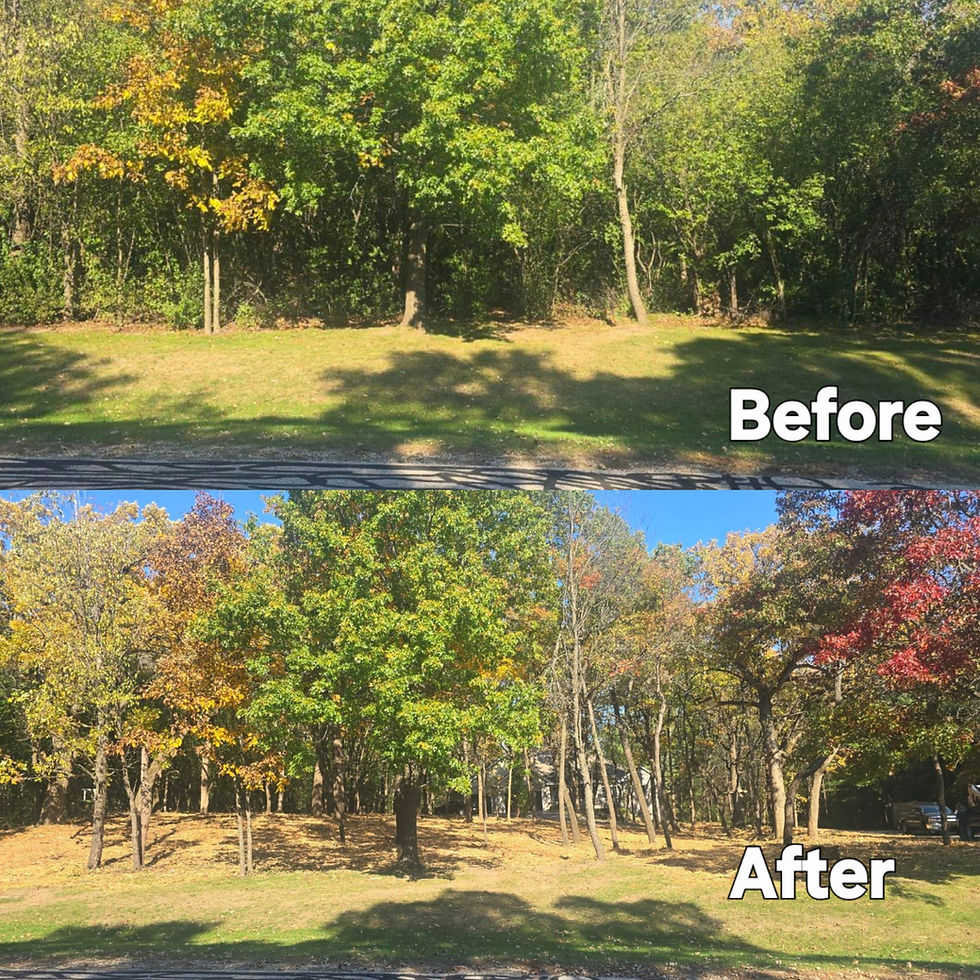
Forestry mulching and land clearing are tools that help remove invasive species, reduce overcrowding, and open the forest floor so healthier plants can grow. When done correctly, these methods improve access and visibility while keeping soil disturbance low and organic material on the ground.
Understanding Your Land
Every property is different. That’s why restoration starts with understanding the land, how water moves, what’s growing there now, and what the landowner wants long-term. A thorough assessment is essential for effective restoration.
Benefits for Wildlife and Habitat when Restoring Wisconsin Woodlands
Restoring woodland and wetland areas helps native plants return and improves habitat for wildlife. Healthier land supports diverse species and enhances the overall ecosystem.
Residential Properties Matter Too
You don’t need hundreds of acres to benefit from restoration. Many residential landowners manage five to twenty acres that include woods, wet areas, or overgrown edges around a home. Thoughtful land management can improve safety, usability, and long-term value.
Thinking Long Term
Good restoration looks beyond today. It focuses on how the land will grow, drain, and function years from now. With the right approach, landowners can improve their property while protecting Wisconsin’s natural landscape.
The Role of Invasive Species in Land Management
Invasive species pose a significant threat to the health of woodlands and wetlands. These non-native plants can outcompete native flora, leading to reduced biodiversity. Effective management strategies are essential to control these invasives and promote the growth of native species.
Techniques for Managing Invasive Species
There are several methods for managing invasive species, including:
Mechanical Removal: This involves physically removing invasive plants from the area.
Chemical Control: Herbicides can be used to target specific invasive species while minimizing harm to native plants.
Biological Control: Introducing natural predators or competitors can help keep invasive species in check.
Community Involvement in Restoration Efforts
Community involvement is crucial for successful restoration projects. Local groups can organize volunteer days to help with planting and maintenance. Engaging the community fosters a sense of ownership and responsibility for local ecosystems.
Educational Programs and Workshops
Offering educational programs and workshops can empower landowners with the knowledge needed for effective land management. Topics can include identifying native and invasive species, understanding soil health, and learning about sustainable practices.
Ready to Restore Your Wisconsin Woodlands?
Midwest Land Solutions helps landowners across Southeastern Wisconsin and Northern Illinois, restore woodlands, manage wetlands, and responsibly clear acreage with long-term land health in mind. If you’re ready to improve your property and leave it better than you found it, we’d be happy to walk the land with you.
Visit midwestlandsolutionswi.com or call (262) 470-7117 to get started. Midwest Land Solutions is based in Fort Atkinson, Wisconsin, and provides land clearing and forestry mulching services throughout Jefferson County and surrounding areas.